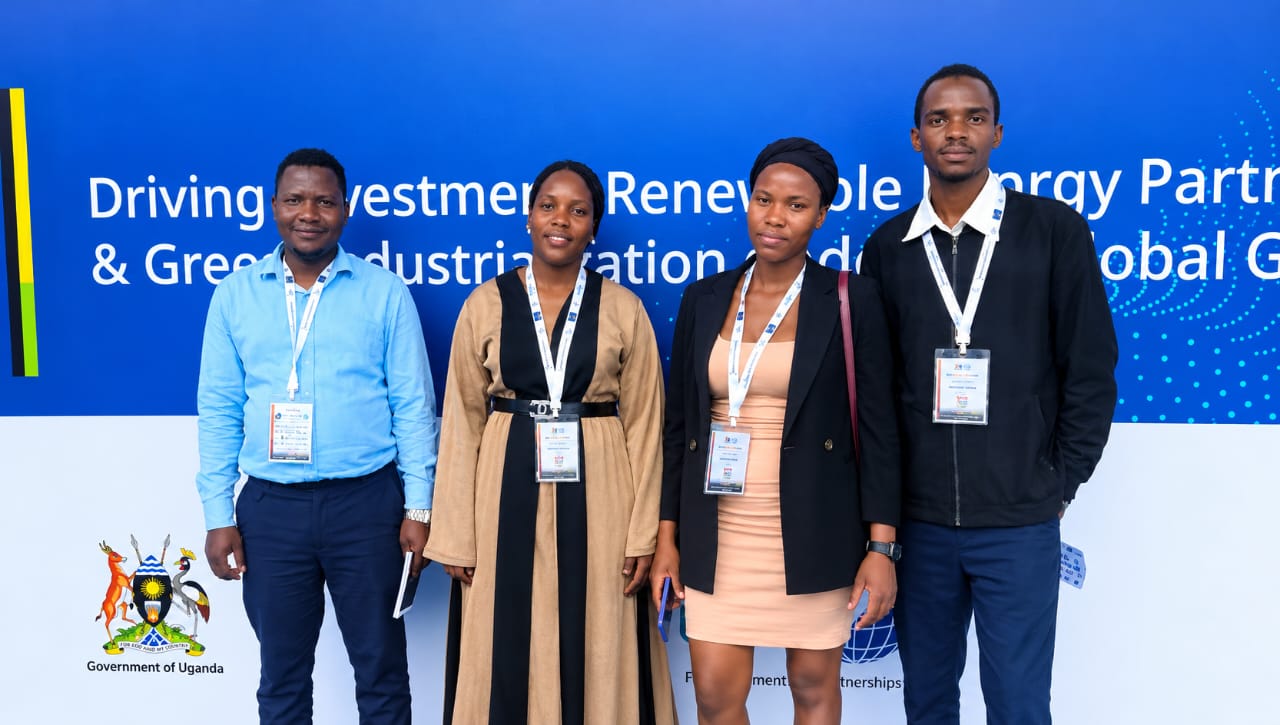

Youth leaders from Makindye Ssabagabo Municipality participated in the 7th Renewable Energy Conference and Expo 2026 and the 5th Uganda–European Union Business Forum, held at Kampala Serena Hotel from 19th to 22nd October 2026.
The events brought together government officials, investors, businesses, development partners and other stakeholders to explore how renewable energy investment, technology and international partnerships can support Uganda’s economic transformation.
The conference was held under the Ministry of Energy and Mineral Development, with the European Union and its partners participating in efforts to mobilise investment and strengthen cooperation in renewable energy and green industrialisation. The Renewable Energy Conference ran from 19th to 22nd October, while the Uganda–EU Business Forum took place on 20th and 21st October 2026.

The ultimate measure of leadership is not merely being present where opportunities are discussed, but helping communities understand, access and benefit from those opportunities.
For Katumba, participation in a forum of this nature presented an opportunity to broaden the perspective of youth leadership beyond local political structures and connect community priorities with national and international development conversations.
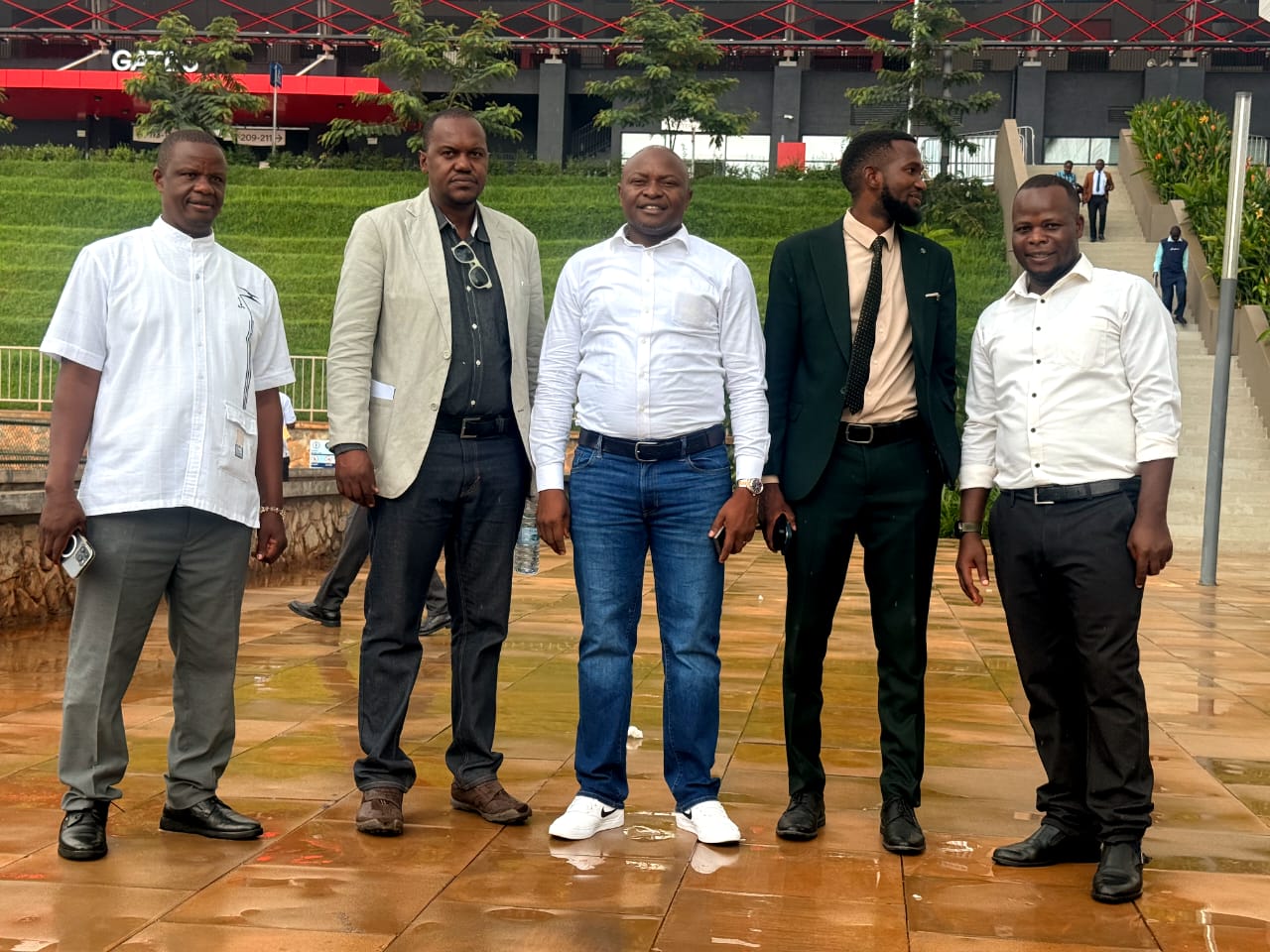
The delegation from Makindye Ssabagabo Municipality included:
Katumba Hamza - Ndejje Division Male Youth Councillor and leader of the delegation.
Nabukenya Sarah - Ndejje Division Female Youth Councillor.
Kabuye Bashir - Male Youth Councillor representing Masajja Division.
Desire Gertrude Nakanwagi Nakato - Female Youth Councillor.
Other youth representatives also participated.
Their participation provided an opportunity for the municipality's young leaders to engage with discussions on clean energy, investment, employment, innovation and sustainable community development.
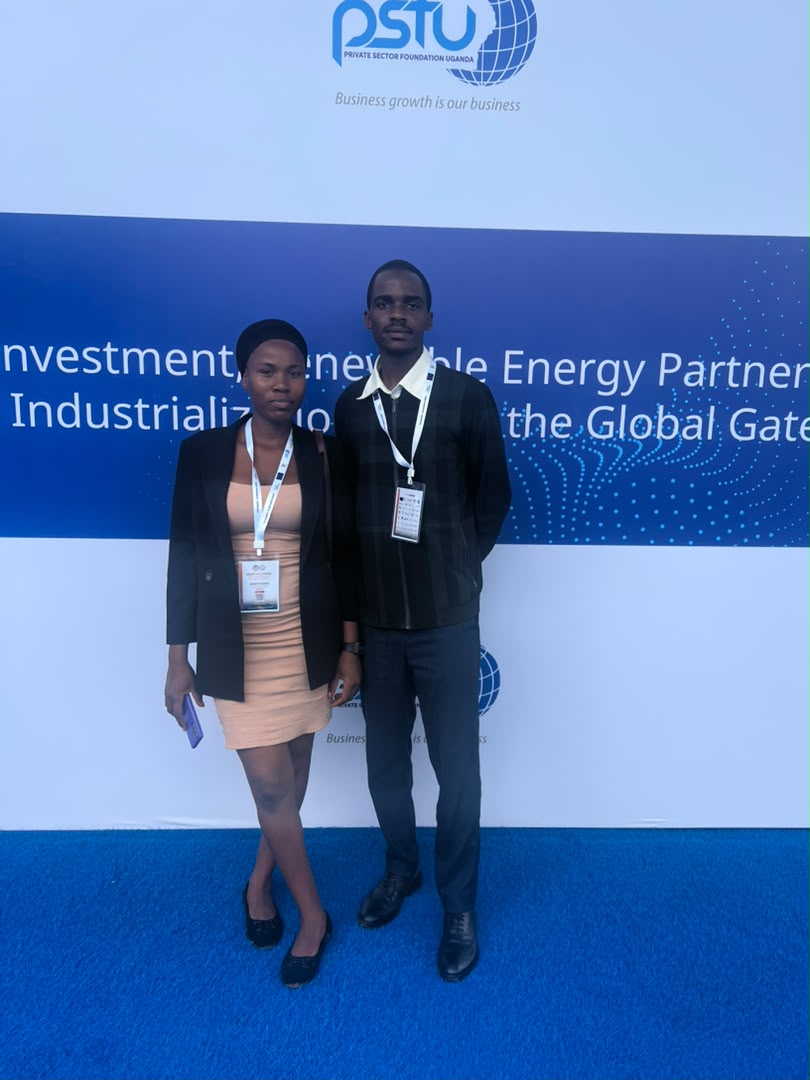
Nakato Desire and Katumba Hamza
Understanding renewable energy and its importance
Renewable energy is energy generated from natural sources that are replenished continuously or naturally over time. These sources include sunlight, flowing water, wind, geothermal heat from beneath the Earth's surface and biomass, such as certain forms of plant and organic waste.
Unlike fossil fuels such as coal and petroleum, renewable energy sources can provide cleaner alternatives for electricity generation, cooking, transport and industrial production when appropriately developed and managed.
For Uganda, renewable energy presents an opportunity to expand access to electricity, support businesses, improve public services and reduce dependence on polluting energy sources. Solar power, hydropower, clean cooking technologies and other renewable energy solutions can help households, schools, health facilities, farms and small enterprises operate more efficiently.
The conference's focus on moving renewable energy systems from potential to large-scale implementation was particularly relevant to communities seeking affordable energy, new business opportunities and sustainable livelihoods.
What is the European Union, and what does it do?
The European Union (EU) is a political and economic union of European countries that cooperate in areas such as trade, investment, development, environmental protection, research and international relations.
Through its institutions, member states and development-finance partners, the EU works with countries around the world to support economic development, strengthen trade, encourage private investment, promote innovation and address shared challenges such as climate change.
In Uganda, cooperation with the EU includes support for infrastructure, business development, energy access, investment, skills development and other development priorities. The EU's Global Gateway strategy seeks to mobilise investment in sustainable infrastructure and strengthen partnerships between Europe and partner countries.
The Uganda–EU Business Forum provided a platform for Ugandan and European businesses, investors, government agencies and financial institutions to explore practical partnerships in renewable energy and related industries. Discussions covered areas such as hydropower, geothermal energy, electricity infrastructure, financing and technology transfer.
For Makindye Ssabagabo, these partnerships are important because they can open pathways to expertise, investment, equipment, business connections and programmes that may help address local development challenges.
Why the conference mattered to Makindye Ssabagabo Municipality
Although the conference addressed Uganda's wider energy and investment priorities, its potential benefits extend to municipalities such as Makindye Ssabagabo, where communities need improved public services, stronger enterprises, employment opportunities and better environmental management.
1. Improved energy access and lower operating costs
Solar energy and other suitable renewable energy systems could help households, shops, schools, health facilities and community institutions reduce their dependence on conventional electricity or costly fuel alternatives. Where the technology and financing are appropriate, solar installations can support lighting, refrigeration, water pumping and digital services.
For local businesses, more reliable energy can improve productivity, extend operating hours and support growth.
2. Better waste management and environmental protection
Renewable energy discussions are relevant to waste management when organic waste can be safely converted into biogas or other useful energy products. With appropriate technology, environmental safeguards and professional management, such systems can help reduce some waste-disposal pressures while producing energy.
This is particularly relevant to municipalities seeking practical solutions for managing organic waste from households, markets, restaurants and institutions. However, waste-to-energy projects require feasibility studies and should complement, rather than replace, proper waste collection, recycling and disposal.
3. Opportunities for youth employment and entrepreneurship
The transition to cleaner energy can create work in solar installation and maintenance, electrical services, energy-efficient construction, clean cooking, recycling, environmental services and related businesses.
Young people can benefit by acquiring technical skills, starting enterprises, joining supply chains and connecting with employers or investors. These opportunities require training, recognised qualifications where applicable, access to finance and links to actual market demand.
4. Support for local economic development
Reliable energy can support value addition, food processing, refrigeration, digital services and other productive activities. Small enterprises in Makindye Ssabagabo could explore energy-saving technologies and renewable energy solutions that help them manage operating costs and become more competitive.
5. Knowledge and partnerships for community projects
Participation in the conference gave youth representatives an opportunity to learn about national priorities, potential financing pathways and the role of public-private partnerships. The value of this exposure will depend on how effectively the knowledge is shared and translated into projects that respond to the municipality's actual needs.
What youth representation meant
The participation of Makindye Ssabagabo's youth leaders was significant because young people are both beneficiaries of development and potential drivers of innovation, enterprise and environmental action.
By attending a forum that brought together public institutions, businesses, investors and international partners, the youth representatives had an opportunity to engage with issues that influence the future of their communities.
Their presence also highlighted the importance of including young people's priorities in conversations about energy access, climate action, skills development and investment. Youth unemployment, limited access to business capital and gaps in technical training are challenges that require practical solutions and cooperation among government, the private sector, training institutions and development partners.
Katumba Hamza's leadership of the delegation, alongside Nabukenya Sarah, Kabuye Bashir, Nakato Desire and other representatives, provided a channel through which the municipality's youth leadership could learn from the discussions and identify possible areas for follow-up.
How Makindye Ssabagabo's youth can benefit from the programme
To turn conference participation into practical outcomes, youth leaders and local stakeholders can pursue several actions:
First, organise a youth renewable energy awareness programme. The participating councillors can share lessons from the conference with youth groups, schools, community organisations and local leaders. The discussions should explain renewable energy technologies, available career pathways, environmental benefits and the skills required to enter the sector.
Second, identify youth skills and business opportunities. Youth groups can assess local demand for solar installation, electrical maintenance, clean cooking solutions, recycling and energy-efficient services. This would help identify training needs and business ideas grounded in the municipality's circumstances.
Third, develop practical community projects. Potential initiatives could include solar-powered community facilities, energy-efficient lighting, renewable-energy demonstrations at schools, and properly assessed biogas projects using suitable organic waste. Each proposal should include a feasibility assessment, estimated costs, a maintenance plan and a clear account of who would benefit.
Fourth, connect youth enterprises to training, finance and markets. Youth leaders can work with relevant government agencies, vocational institutions, private companies and development partners to identify legitimate training opportunities, enterprise-support programmes, investment connections and financing options. Participation in the conference should not be interpreted as an automatic guarantee of grants, contracts or employment.
Fifth, promote youth participation in green businesses. Young entrepreneurs can be encouraged to explore repair and maintenance services, energy-efficient products, recycling enterprises and other businesses that contribute to environmental sustainability while generating income.
Finally, establish a follow-up and accountability mechanism. The delegation can brief the municipal leadership and youth structures, document useful contacts, identify promising opportunities and report progress. This would help the community distinguish between ideas discussed at the conference and opportunities that have been formally confirmed.
The way forward: turning representation into results
The 6th Renewable Energy Conference and Expo and the Uganda–EU Business Forum 2026 offered a platform for discussing how investment, innovation and international cooperation can support Uganda's energy transition and green economic growth.
For Makindye Ssabagabo Municipality, the opportunity lies in connecting these national and international priorities to local needs: youth employment, affordable energy, business development, environmental protection and improved service delivery.
The next step should be to translate the knowledge gained by the youth representatives into a practical municipal youth green-development agenda. This could bring together youth councillors, the municipal council, technical officers, schools, businesses, community organisations and potential development partners to identify projects, establish training links and monitor implementation.
The participation of Katumba Hamza, Nabukenya Sarah, Kabuye Bashir, Nakato Desire and other youth leaders is therefore an opportunity to strengthen the link between international development discussions and grassroots priorities.
Ultimately, the success of such participation will not be measured simply by attendance at a conference, but by whether the knowledge, relationships and opportunities gained contribute to tangible improvements in the lives of young people and residents across Makindye Ssabagabo Municipality.
Together, we rise. Together, we build. Together, we are Makindye Ssabagabo.
KAREN KINDERGARTEN, MIXED DAY & PRIMARY SCHOOL
Representation is only the first step. Its lasting value will be measured by the information shared with young people, the partnerships pursued, the projects developed and the opportunities that eventually reach communities.
A Simple Truth
The success of such participation will not be measured simply by attendance at a conference, but by whether the knowledge, relationships and opportunities gained contribute to tangible improvements in the lives of young people and residents across Makindye Ssabagabo Municipality.

No comments yet. Be the first!